

By Maya Ellison ·
How to Use a Dermaplane Razor Correctly
A dermaplane razor is simple, but using it well is all in the details. Get the grip, the angle and the pressure right and you will glide through a pass in a few minutes with smooth, comfortable results. Get them wrong and you invite tugging or redness. This guide is the practical, hands-on how-to, followed by the mistakes I see most often.
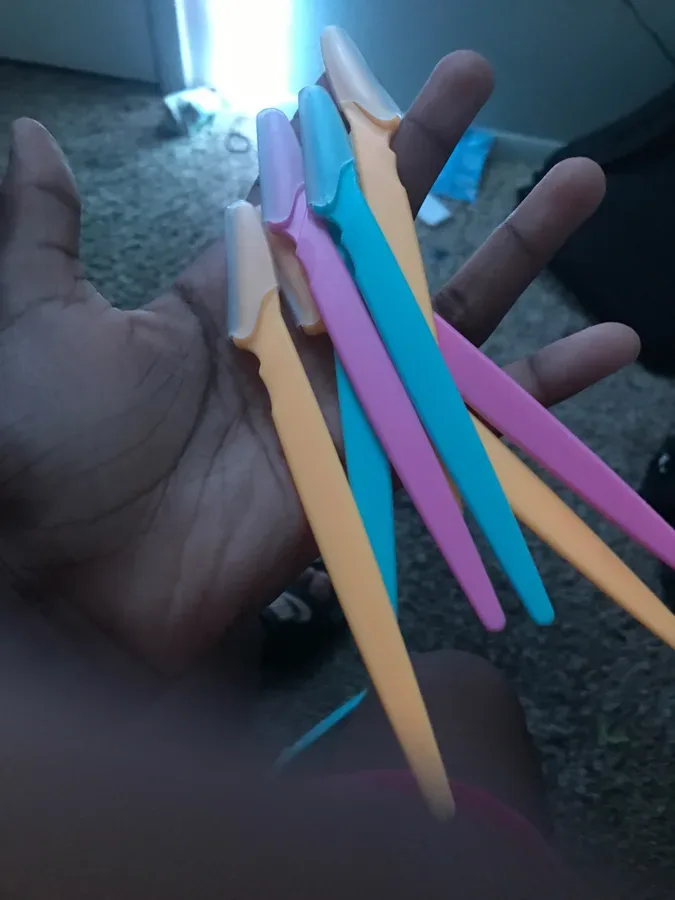
How to hold it
Hold the razor loosely, the way you would hold a pencil, with your fingers near the head for control. A relaxed grip lets your wrist guide short, precise strokes instead of muscling through them. Position yourself at a well-lit mirror so you can clearly see the fuzz you are removing. Comfort and visibility do half the work. If you want to understand why the tool is shaped the way it is, the best dermaplane razor guide covers the handle and blade features that matter.
The five-step method
Here is the whole routine in five moves. It is the same core method as the full how to dermaplane at home walkthrough, condensed for the tool itself.
| Step | What to do |
|---|---|
| 1. Prep | Cleanse and pat skin completely dry |
| 2. Angle | Hold the blade at about 45° to the skin |
| 3. Tension | Pull the skin taut with your free hand |
| 4. Stroke | Short, light, downward passes; wipe the blade between strokes |
| 5. Finish | Moisturize, then apply SPF if it is daytime |
Start on the cheeks and jaw, the broadest and most forgiving zones, then move to the forehead, upper lip and finally the fine work around the brows, where the same tool works as an eyebrow razor. Keep the safety guard against the skin throughout, since it is there to protect you as you learn.
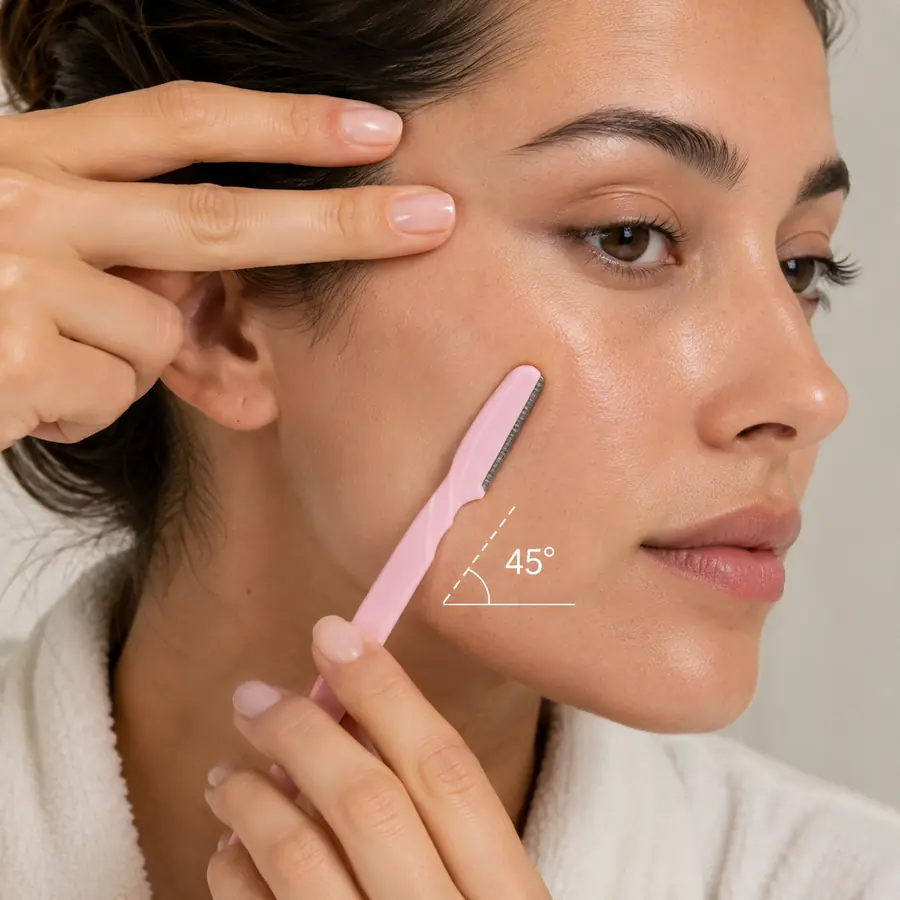
Pressure and speed
The most important thing to internalize is that a dermaplane razor needs almost no pressure. The blade is sharp enough to lift fuzz on its own, so let its weight do the work and simply guide it. Go slowly. Short strokes of about one to two inches give you control and let you feel how the blade is moving. Fast, long strokes are how people skip over fuzz and catch skin at the same time.
First-time tips
If this is your very first session, a few small choices make it go smoothly. Do it in the evening so your skin has the night to settle before you apply makeup. Work in natural light or bright bathroom light so you can actually see the fuzz you are lifting. Start on one cheek, get comfortable with the angle and the sound of the blade, then move on. There is no rush to cover your whole face in one go.
A full pass usually takes only a few minutes once the motion feels natural, but give yourself longer the first time. Keep a tissue nearby to wipe the blade, and keep your free hand busy holding the skin taut. If anything feels sharp or uncomfortable, lift off and reset your angle rather than pushing through. Confidence builds quickly, and by the second or third session most people barely think about the technique at all.
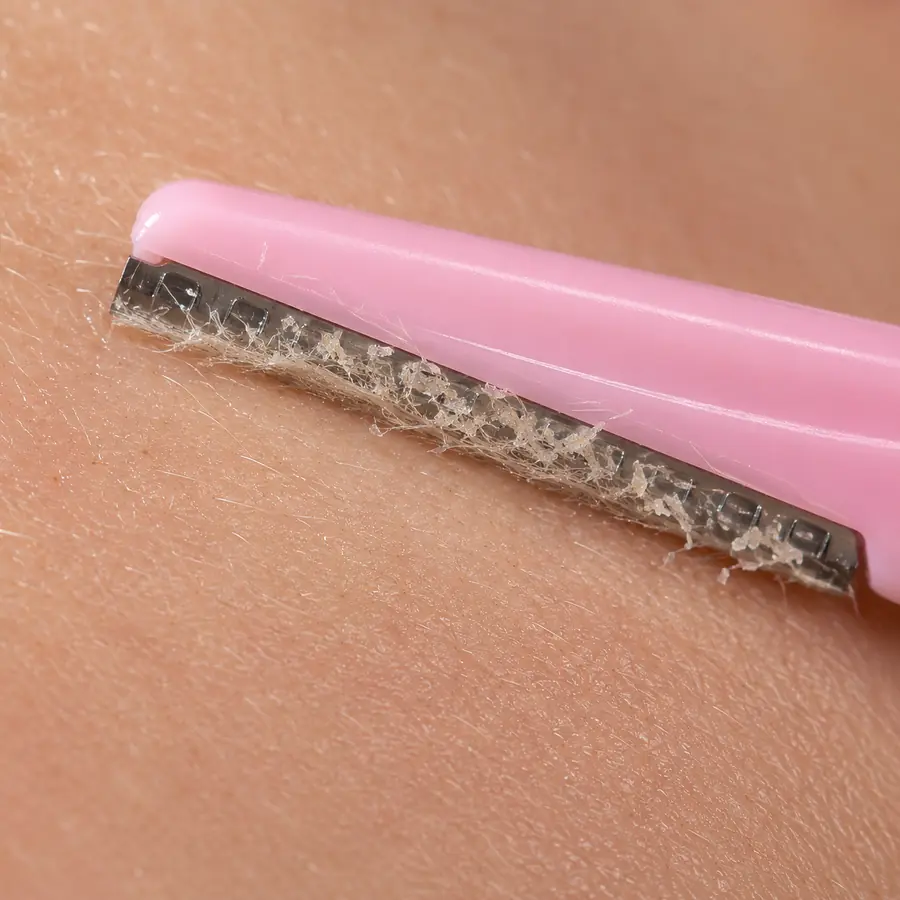
Common mistakes
Almost every problem beginners run into comes from the same short list. Knowing them in advance saves your skin.
Working on damp skin. Dermaplaning is a dry technique. Any moisture makes the blade drag and skip, so dry your face thoroughly first.
Pressing too hard. Pressure does not remove more fuzz, it just irritates skin. Ease off and let the blade skim.
Going over the same spot repeatedly. One or two passes is enough. Repeated passes on one patch are the quickest route to redness.
Dermaplaning over blemishes. Skip active breakouts, raised moles and irritated areas entirely. Passing a blade over them can worsen irritation. The safety guide explains who should avoid dermaplaning altogether.
Believing the regrowth myth. Using a razor on your face does not make hair grow back thicker. The follicle is untouched, so regrowth returns the same. There is a full explanation in the benefits article.
Caring for the blade
After each session, rinse and dry the blade, then store it somewhere clean and dry so the edge stays in good shape. A reusable razor rewards a little upkeep. Replace the blade once it starts to feel less sharp, because a dull edge is what causes dragging in the first place. Keeping a fresh razor on hand is one reason a multipack is convenient, and it means you can keep one razor for face and another set aside just for brow detailing. For travel, store the razor with its guard on so the edge stays protected in your bag. If you would rather skip manual technique altogether, the electric dermaplane tool offers a motorized alternative, and dermaplane vs shaving explains how facial and body tools differ.
How often you replace a blade depends on how frequently you use it, but the feel of the pass is your best guide. The moment it starts to tug rather than glide, switch to a fresh one. A sharp blade is not just about comfort: it is the single biggest factor in a clean, irritation-free result.
That is genuinely all there is to it. Clean and dry, hold at 45 degrees, pull taut, glide with light short strokes, then moisturize and protect. Within a session or two the motion becomes second nature. For the complete beginner routine start with how to dermaplane at home, and see what real users report on the reviews page. The Peachly dermaplane razor is also a popular facial razor for women thanks to its safety guard and easy grip.
Maya Ellison · Beauty writer & at-home dermaplaning enthusiast
Maya has tested dozens of facial razors and writes practical, honest at-home skincare guides. She is not a dermatologist, so for any medical skin concern she points readers to a professional.