

By Maya Ellison ·
Dermaplaning vs Shaving: What Is the Difference?
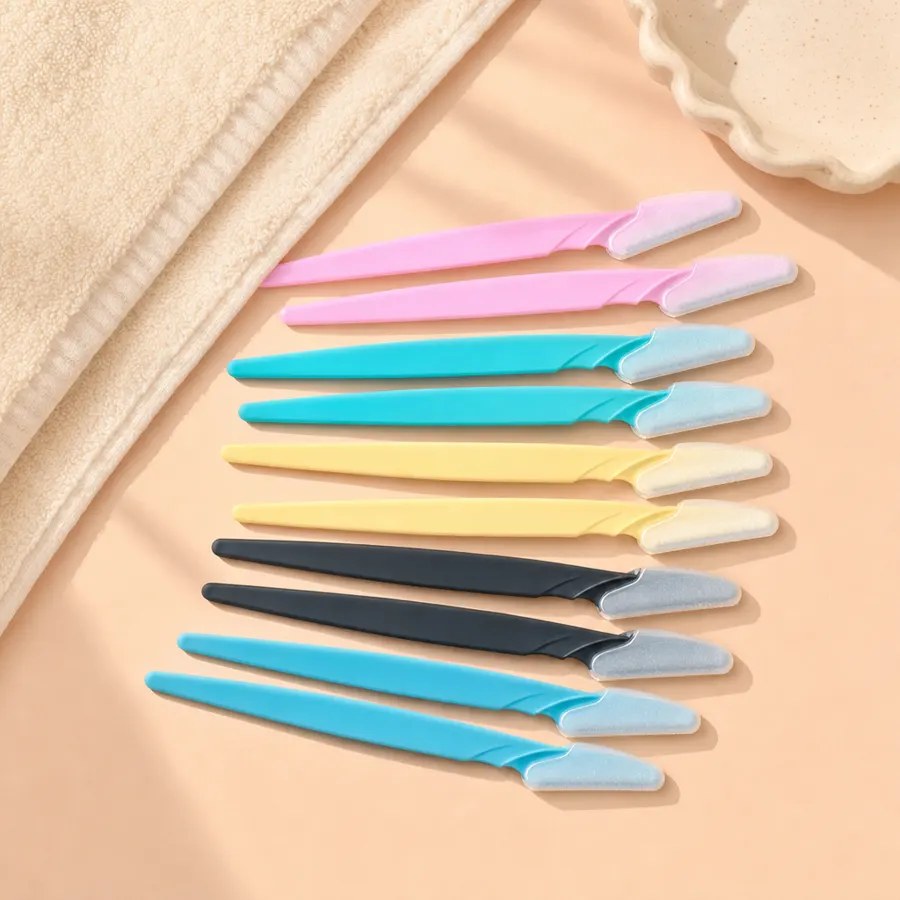
People often ask whether dermaplaning is just fancy shaving. The answer is that they are cousins, not twins. Both remove hair by cutting it at skin level, but the tool, the angle and the intended surface are different enough that using the wrong one gives you a worse result. This guide breaks down exactly how they differ so you can pick the right approach for your face.
What they have in common
Both dermaplaning and shaving are forms of physical hair removal that work at the surface of the skin. Neither one touches the follicle, so neither changes how your hair grows back. That means the old worry about hair returning thicker or darker does not apply to either method. Regrowth comes back the same, a point explained in more detail in the benefits of dermaplaning article. Both are also temporary, and both are safest on clean skin with a light hand.
The blade is different
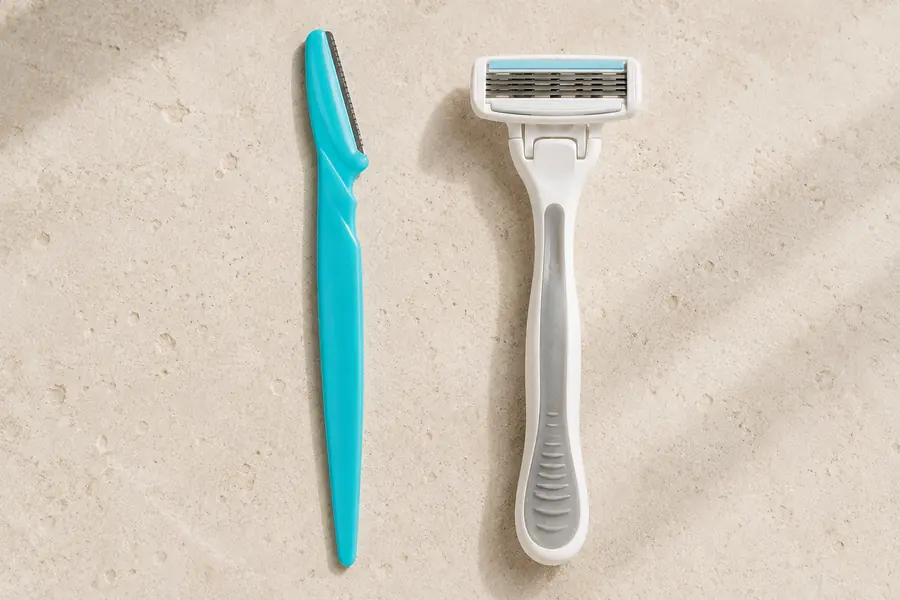
This is the core difference. A dermaplane razor uses a fine, exposed single blade designed to skim the very surface, catching soft vellus hair and lifting dull dead cells in the same pass. A body razor uses several blades stacked in a pivoting cartridge, engineered to cut coarser hair on legs, underarms and larger areas quickly and with lots of lubrication.
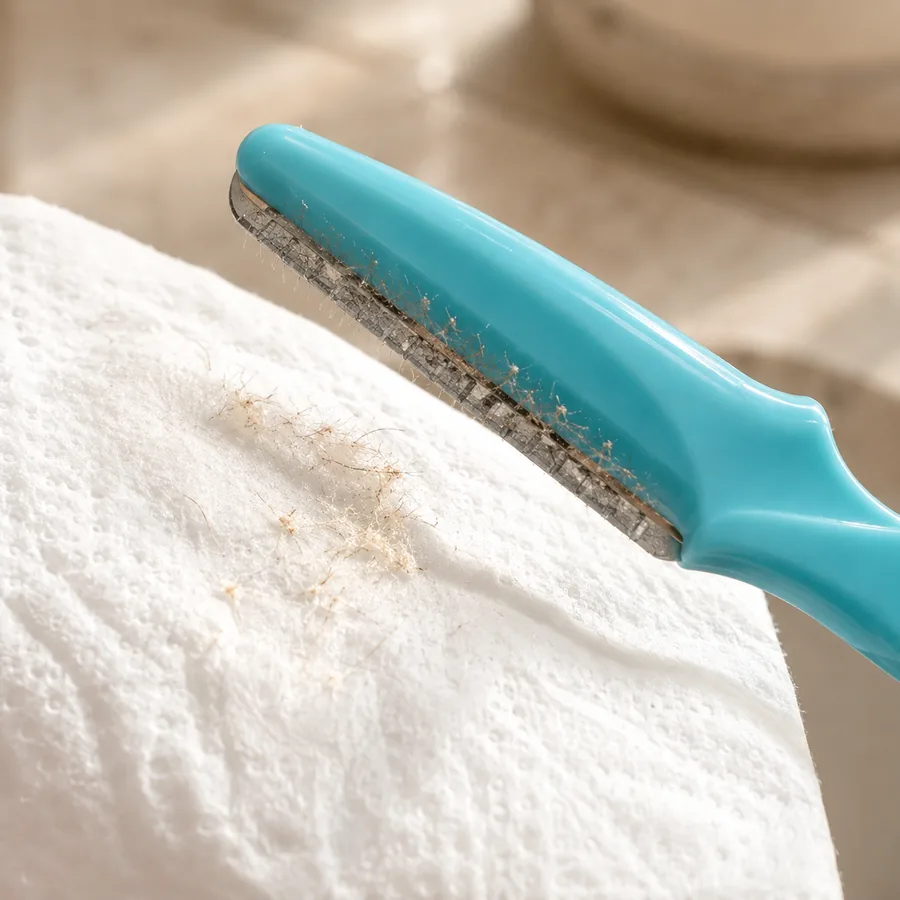
Put a multi-blade body razor on delicate facial fuzz and it tends to miss the fine hair while dragging across the skin. The dermaplane blade, by contrast, is built for precisely that fine hair, which is why it doubles as an eyebrow razor for tidying stray hairs and shaping the brow line.
The angle is different
Shaving your legs, you generally hold the razor flat and glide with the grain over a lathered surface. Dermaplaning uses a deliberate angle. You hold the blade at roughly 45 degrees to taut, dry skin and take short controlled strokes. That angle is what lets the edge catch fuzz and gently exfoliate at the same time. If the angle is wrong, you either miss the hair or scrape the skin, which is why technique matters. The step-by-step is in how to use a dermaplane razor.
The surface and purpose differ
Body shaving is done wet, with water and gel or foam, to soften coarse hair and reduce friction on large areas. Dermaplaning is done on clean, dry skin, because the exfoliating effect depends on the blade meeting a dry surface. Wet skin makes a dermaplane razor drag and skip. The purpose is different too. Shaving removes hair. Dermaplaning removes hair and simultaneously sweeps away dead surface cells for that smoother makeup base people love.
This is also why you should never add water, gel or foam to a dermaplaning session. Those products are made to soften coarse hair and lubricate a body razor, but they defeat the exfoliating effect of a facial razor by making the blade slide over the surface instead of gently lifting it. If your skin is wet, dry it and start over. It is a small habit that makes a visible difference in the result.
Side-by-side comparison
| Feature | Dermaplane razor | Body razor |
|---|---|---|
| Blade | Fine single blade | Multi-blade cartridge |
| Angle | About 45° | Flat, with the grain |
| Skin | Clean and dry | Wet, with gel or foam |
| Target hair | Fine facial vellus (peach fuzz) | Coarse body hair |
| Bonus effect | Light physical exfoliation | None |
| Best area | Cheeks, jaw, upper lip, brows | Legs, underarms, larger areas |
Bumps and ingrown hairs
People who shave coarse hair on the body sometimes worry about razor bumps and ingrown hairs. Those problems are far more common with thick, curly hair, which can curl back into the skin as it regrows. The fine vellus fuzz you remove when dermaplaning the face is soft and straight, so ingrowns are much less of a concern on that hair type. That said, technique still matters. Dragging a dull blade or pressing too hard can cause redness and small nicks on any skin, which is why a sharp blade, a light touch and a clean surface are the constants for both methods.
Aftercare closes the gap too. Whether you shaved your legs or dermaplaned your cheeks, calm freshly cleared skin with moisturizer and, in daylight, sunscreen. Skipping SPF after facial exfoliation is one of the more common mistakes, and it is easy to fix.
Which should you use?
For your face, reach for a dermaplane razor. It is designed for fine hair, it exfoliates as it goes, and the smaller precise head lets you work around the nose, lip and brows safely. For legs and body, a standard body razor is the right tool. Many people who came from using a spare body razor on their face are surprised how much cleaner the finish is once they switch to a proper facial tool, which is why it is often chosen as a facial razor for women.
If you want something even more hands-off, the electric dermaplane tool automates the pass with a motorized head, though manual razors still give you the most control over pressure. Whichever you pick, the aftercare is the same: moisturize and apply SPF, and check the safety guide if your skin is sensitive.
Bottom line, dermaplaning is not just shaving with a new name. It is a different blade at a different angle for a different job. Match the tool to the task and your skin will thank you. To go deeper, compare options in the best dermaplane razor guide or read the full at-home routine in how to dermaplane at home. Real buyer feedback is on the reviews page.
Maya Ellison · Beauty writer & at-home dermaplaning enthusiast
Maya has tested dozens of facial razors and writes practical, honest at-home skincare guides. She is not a dermatologist, so for any medical skin concern she points readers to a professional.